
Sedgwick County Previous Resident Sources
No single roll identifies everyone who lived at an address. A sound Sedgwick County search matches the source to the period and keeps ownership apart from occupancy. The present parcel and its legal description provide the bridge into recorded deeds. Printed directories and census schedules can then place named people at the house on specific publication or enumeration dates.
| Record source | Sedgwick coverage | Repository or route | Evidence returned |
|---|---|---|---|
| Deed index and images | Deeds online from 1945; other instruments from 1969 | Register of Deeds Tapestry, Laredo, public computers, index books | Parties, recording date, instrument, legal description, and available image |
| County Clerk transfers | Recent online route; pre-1992 books recommended | Account portal and Clerk's historical books | Tax-transfer chronology and mailing information |
| Wichita and suburban directories | Wichita 1800s-2006; suburban volumes 1957-1995 | Midwest Historical & Genealogical Society | Names, occupations, printed addresses, and street listings |
| Telephone and criss-cross books | 1930s-present in the holding summary | MHGS and local-history collections | Reverse address-to-subscriber clues, with publication gaps |
| Census schedules | Federal public through 1950; Kansas schedules 1875-1925 | NARA, FamilySearch, libraries, and archives | A household counted on one census date |
| Sanborn maps and permits | Wichita map editions 1884-1968; permit start year unpublished | KSHS, Library of Congress, and MABCD | Building form, use, address context, projects, and permit dates |
Begin with deeds for title history, with a directory for a known historical year, or with the census when family members matter. Each route has gaps. A person listed in a directory did not necessarily own the property, and a deed party did not necessarily live there.
Fix the Sedgwick Address First
Save the address exactly as printed in the oldest source, plus a modern normalized form. Then use the Sedgwick County Appraiser search to capture the property address, owner and separate mailing address, PIN, AIN or GeoCode, legal description, subdivision, lot and block, sale year, and year built. The legal description is the stable land description used in recorded instruments. It often survives a changed street name or number.
Confirm the same parcel in Mobile Land Records and compare its geometry, ZIP, tax unit, and building fields. Try the Appraiser's Address, Address Only, and Address Range modes if the first spelling fails. Never substitute the owner's mailing address for the house being researched. For a wider current street chain, use the Sedgwick County street directory.
Note: Record the search date and any unresolved address conversion before adding a person's name.
Walk Sedgwick County Deeds Backward
A chain of title is the sequence of recorded transfers affecting the same land. Sedgwick County's Register of Deeds indexes parties, document numbers, dates, types, and legal descriptions. The current parcel supplies the first owner name and land description. From there, work one transaction at a time.
- Copy the current owner and complete legal description from the Appraiser result.
- Search that party in Tapestry EON or Laredo and identify the purchase deed.
- Read the seller as grantor and buyer as grantee, then preserve the document number, recording date, book or page, and legal description.
- Search the seller as a prior grantee to find that party's earlier acquisition. Repeat only when the land description continues to match.
- At the online cutoff, move to the County Clerk's transfer books, ROD index books, and microfilm.
- Grantor
- The party transferring an interest in the recorded instrument.
- Grantee
- The party receiving that recorded interest.
- Legal description
- The lot, block, subdivision, or survey description that identifies land more reliably than an old street number.
- Chain of title
- The dated sequence of instruments tied to the same property.
Online Records and Counter Gaps
The county reports deed images indexed from 1945 forward and other instruments from 1969 forward. Tapestry offers remote pay-as-you-go access around the clock. A search costs $8.75, images print for $1 per page, and the county recommends starting with one criterion. A surname or subdivision is usually better than piling on filters, and the county specifically warns against using PIN for the first search.
The Register of Deeds FAQ gives the older-record route: ask the County Clerk for the last transfer date and party names from an address or legal description, then ask ROD staff to check the grantor/grantee books for book and page and obtain the microfilm copy. Public computers at the Ruffin Building are free, though printed images cost $1 per page. A regular deed copy is $1 per page; certification is $13.
The County Clerk transfer portal requires an account and cautions that pre-1992 transfer books are the more accurate historical route. Its tax-transfer entry is not a deed image or proof of present residence.
The county's deed-history page shows why older previous-resident work changes channels. It precedes the archived trail shown in the record collection.
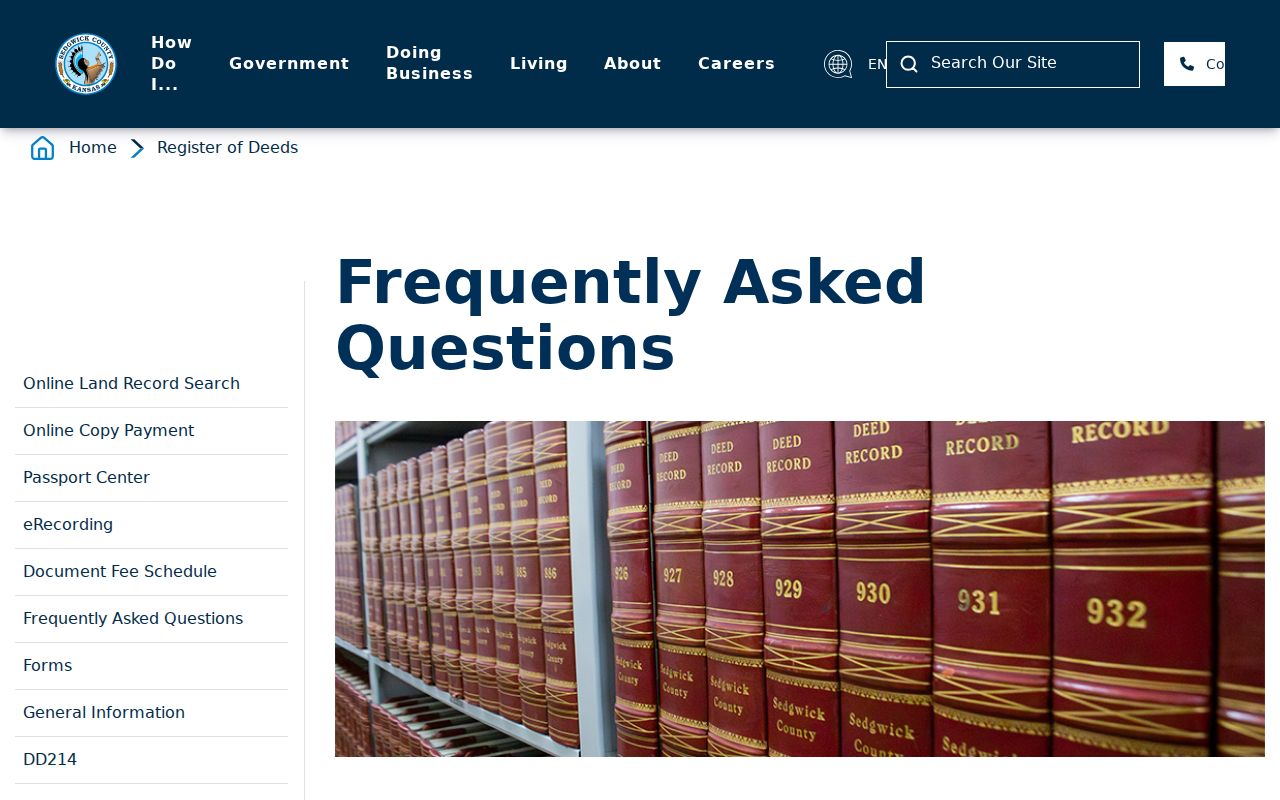
The captured page is a starting point for the cutoff and counter instructions, not an ownership finding.
Tapestry's county access page explains the current fee and search route.
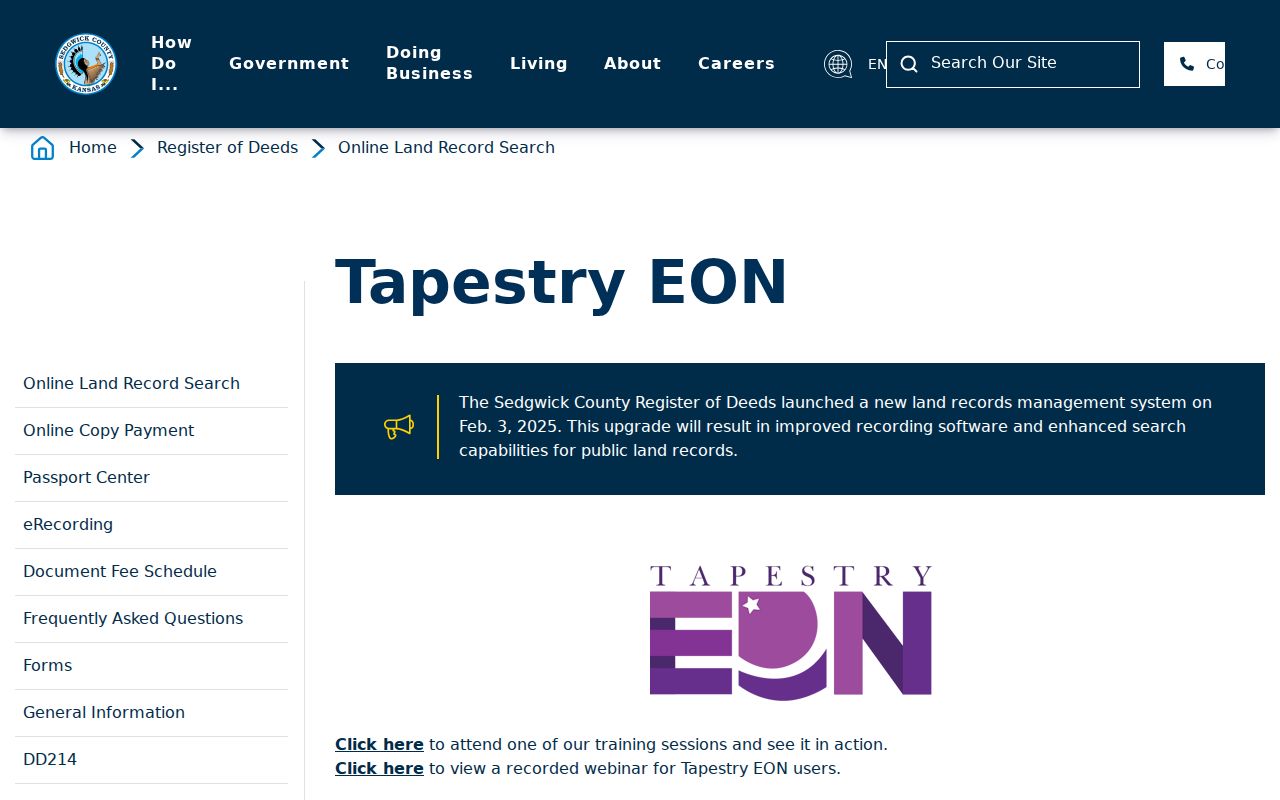
Preserve the access date because portal coverage, fees, and images can change.
Sedgwick Previous Residents by Party
Tapestry can search party name, document number or type, recording date, subdivision, lot and block, parcel, tract, section, township and range, quarter sections, book and page, or certified survey map. Results should be read as recorded roles. Mortgages, releases, liens, easements, plats, and sheriff's deeds are not all sales.
The live grantor-and-grantee interface helps move between deed parties.

Copy the role label exactly. A common surname or a matching mailing city cannot establish that two entries refer to the same person.
Search tip. Use one narrow criterion first, then confirm the legal description and instrument image before moving backward.
Sedgwick Past Residents in Print
The MHGS directory holdings provide the occupant layer beside the deed chain. Wichita paper volumes span the nineteenth century through 2006. Suburban Sedgwick directories cover 1957-1995, while telephone and criss-cross holdings reach from the 1930s to the present. Use the full collection detail on the Sedgwick County city directory page, then return with the address and target year.
Pair the nearest directory edition with a federal or Kansas state census. Public federal schedules extend through 1950 under the 72-year rule. Kansas schedules exist for 1875, 1885, 1895, 1905, 1915, and 1925, so the 1885 and 1895 counts can help bridge the lost 1890 federal schedule. The flow is simple: printed address to directory entry, then household schedule, then a nearby-year newspaper or later directory.
Keep abbreviations such as r, bds, and bdgh in the research note. They describe how the publisher listed a resident or boarder. They do not prove continuous occupancy.
Maps Date Sedgwick County Houses
Kansas Historical Society's Wichita Sanborn list identifies editions for 1884, 1886, 1887, 1892, 1897, 1903, 1914, 1935 with updates through 1950, 1964, and 1968. A sheet can show the lot, footprint, use, street, hydrants, and water lines. It usually does not name past residents. Compare its key map and street form with the directory before tying the building to a modern parcel.
The MABCD permit report accepts permit number, project, permit holder, issue-date range, and exact street parts. Results may show received, issued, expiration, final, description, and address fields. The public source does not state a complete historical start year, so use a targeted department or Kansas Open Records Act request for an older file.
The permit interface documents the fields available for a dated building project.
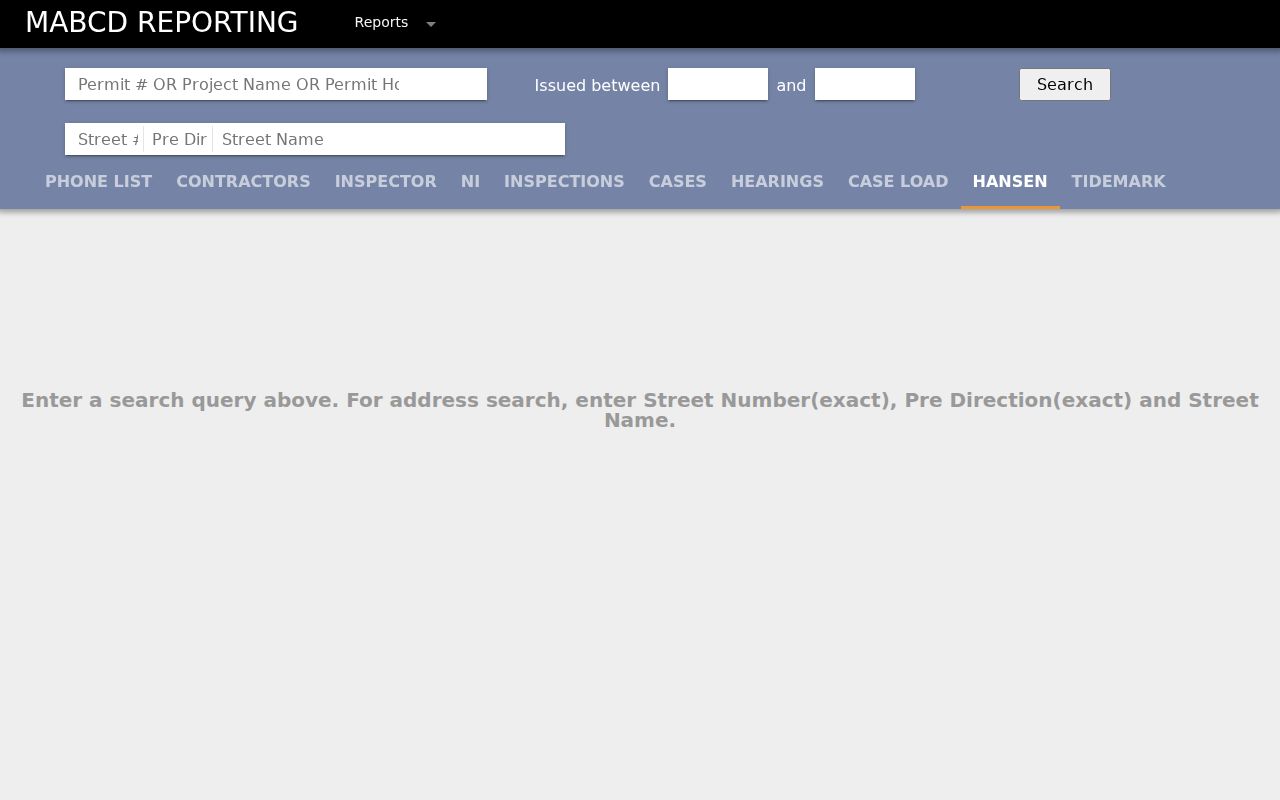
A permit holder may be an owner, contractor, or other project party, not the person who occupied the house.
Sedgwick Archives Extend the Trail
The Kansas Historical Society Sedgwick County archives route leads to court, probate, marriage, tax, death, municipal, map, and newspaper material. Wichita Public Library's Burns Historical Research Pavilion adds directory and newspaper microfilm, FamilySearch access, scanners, and limited paid research by mail or email. Narrow building or obituary fact checks cost $5 per half hour, up to one hour, plus copies.
The state archive catalog shows the custody route for older Sedgwick County evidence.
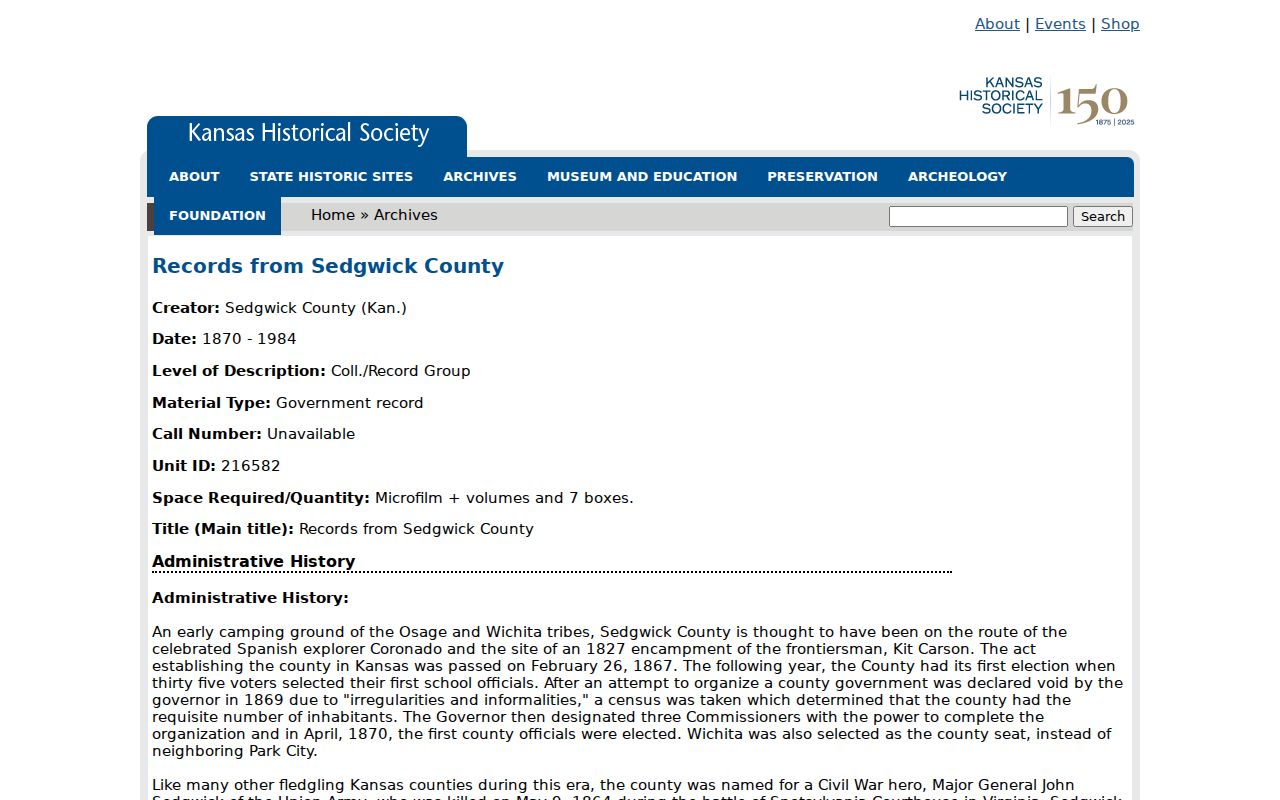
Record the collection title, volume, box, page, and access status instead of treating the archive landing page as the record itself.
Obituaries can add a death date, relative, or last address. Probate can connect a decedent, heirs, and property, subject to sealed or restricted material. Wichita's Historic Preservation Office also accepts property-history questions at 316-268-4421 and points researchers to local library, museum, photo, and university collections.
Sedgwick's 1870 Recorded Beginning
The Register of Deeds FAQ identifies September 20, 1870 as the county's first recorded deed. It says Amos A. Lawrence purchased from the United States Government and that the deed was signed on behalf of President Andrew Johnson. The FAQ does not publish the instrument number, book and page, image, parcel ID, or full legal description. Those fields must remain unresolved until the original record is checked.
This early example is a useful lesson for any previous residents search. A summary can establish recording date and transaction parties, yet it cannot fill missing instrument fields or prove that the buyer occupied a particular house.
Clerk Transfers Are a Separate Layer
The Clerk's account-gated transfer database asks for a registrant's name, address, city, state, postal code, phone, and email. It complements recorded deeds but does not replace them. Current ownership belongs to the Appraiser, while deed images belong to the Register of Deeds.
The registration screen makes that separate access channel visible.
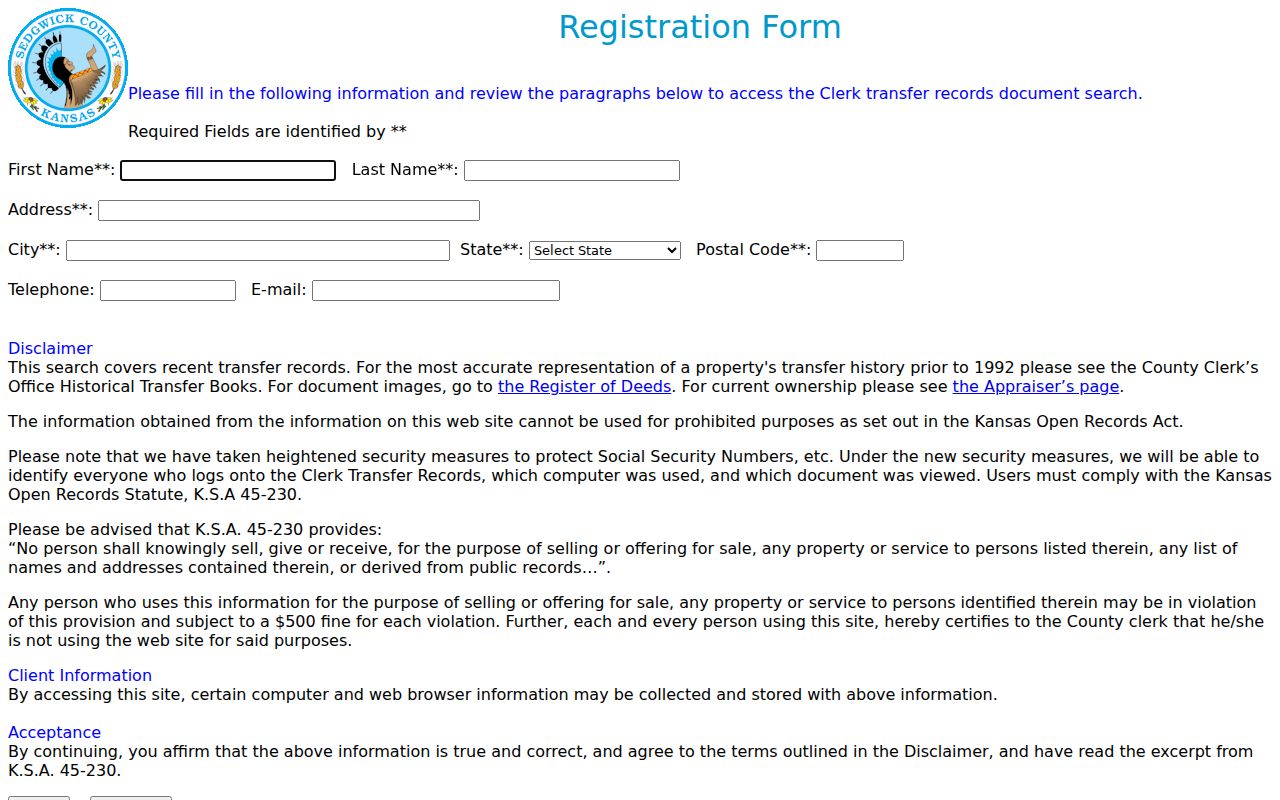
Use the older books at the Clerk's office when the portal's time range ends, and carry the last transfer date and party names to ROD.
Separate Sedgwick Owners and Residents
End with a dated evidence log: exact address form, parcel identifier, legal description, source title, year, page or instrument, role, and result status. Mark “listed at,” “owner,” “grantor,” “grantee,” “permit holder,” and “household member” as distinct facts. A missing volume, unindexed item, changed street, confidential record, or failed address conversion should be reported as a gap, not turned into a claim.
For house history or family research, this method shows who lived here before without blending unrelated names. It also makes corrections possible when a better deed image, census page, or directory edition is found later.
Lawful use. Sedgwick County records support house history, genealogy, estate work, and personal curiosity. Never use them to follow, threaten, or harass a living person.